
If you’ve ever searched for “free government money to start a business,” you’ve probably hit a wall of confusing (and often scammy) results. Here’s the honest truth: the U.S. government rarely hands out free cash to regular businesses — but it does run a powerful system to help you borrow money on much better terms. It’s called the SBA, and this guide explains exactly how it works and how to apply, in plain English.
What Is an SBA Loan?
The SBA is the U.S. Small Business Administration — a federal government agency that helps small businesses get funding.
Here’s the key thing most people get wrong: the SBA usually doesn’t lend you the money itself. Instead, you borrow from a regular bank or lender, and the SBA guarantees a big chunk of the loan — meaning the government promises to cover part of it if you can’t pay. (You can see the full lineup on the SBA’s official loans page.)
Why does that matter to you? Because when the government backs the loan, the lender takes on less risk. So they’re willing to give you:
- Lower interest rates
- Longer repayment terms (up to 25 years)
- Smaller down payments
💡 Think of it like the government co-signing your business loan. It’s still a loan — you pay it back — but on far friendlier terms than a typical business loan.
Wait — Aren’t There Free Government Grants?
This is the single biggest myth in small business finance. For a normal for-profit business, the SBA does not give grants to start or run your company. It never has.
Real free federal grants exist, but only for narrow situations:
- Tech research and development (the SBIR and STTR programs)
- Farms and rural businesses (USDA programs)
- Certain manufacturing and workforce training projects
- State and local programs — every U.S. state runs its own economic-development incentives, and these are less competitive than federal ones
For almost everyone else, the real path isn’t a grant — it’s an SBA-backed loan. So don’t waste weeks chasing “free money” that doesn’t exist for your situation.
The 3 Main Types of SBA Loans
Most SBA lending comes down to three programs:
If you’re just starting out or have limited credit history, the microloan is usually the friendliest door in — rates typically run 8%–13% with terms up to 7 years, and they’re often issued through community lenders who work with newer businesses.

New in 2026: The “Made in America” Boost for Manufacturers
If your business makes things, 2026 is a genuinely great year to borrow. The SBA rolled out a major push to strengthen U.S. manufacturing, and the perks are real:
90% loan guarantee. The new Made in America Loan Guarantee backs up to $5 million with a 90% federal guarantee — well above the standard 75% on a regular 7(a) loan. A higher guarantee means lenders are far more willing to say yes to manufacturers.
Fees waived. For fiscal year 2026 (October 1, 2025 through September 30, 2026), the SBA is waiving upfront fees for small manufacturers: 7(a) manufacturing loans up to $950,000 pay a 0% upfront fee, and 504 manufacturing loans pay 0% upfront and 0% annual service fee.
Who qualifies. Small manufacturers in NAICS sectors 31–33 (that’s the government’s code range for manufacturing businesses). Funds can go toward upgrading or replacing equipment, modernizing your facility, and diversifying supply chains.
A $50 million manufacturing grant (the Empower to Grow program) was also opened for workforce training.
There was extra momentum in small-dollar loans reaching minority- and women-owned businesses. Translation: there’s real money flowing, and it’s easier to access than most people assume.
Who Qualifies?
SBA loans aren’t automatic, but the basic bar is reasonable. Generally you need to:
- Run a for-profit business based in the U.S.
- Meet the SBA’s small business size standards (most small businesses do)
- Have reasonable credit and some skin in the game (your own time or money invested)
- Show you couldn’t easily get the funding elsewhere on reasonable terms
You don’t need perfect credit — especially for microloans — but you do need to show the lender you can repay.
How to Apply: Step by Step
Decide how much you need and which loan fits. Small need or thin credit → microloan. General business use → 7(a). Buying property or big equipment → 504.
Get your basics in order. Check your personal credit score and pull together a simple business plan.
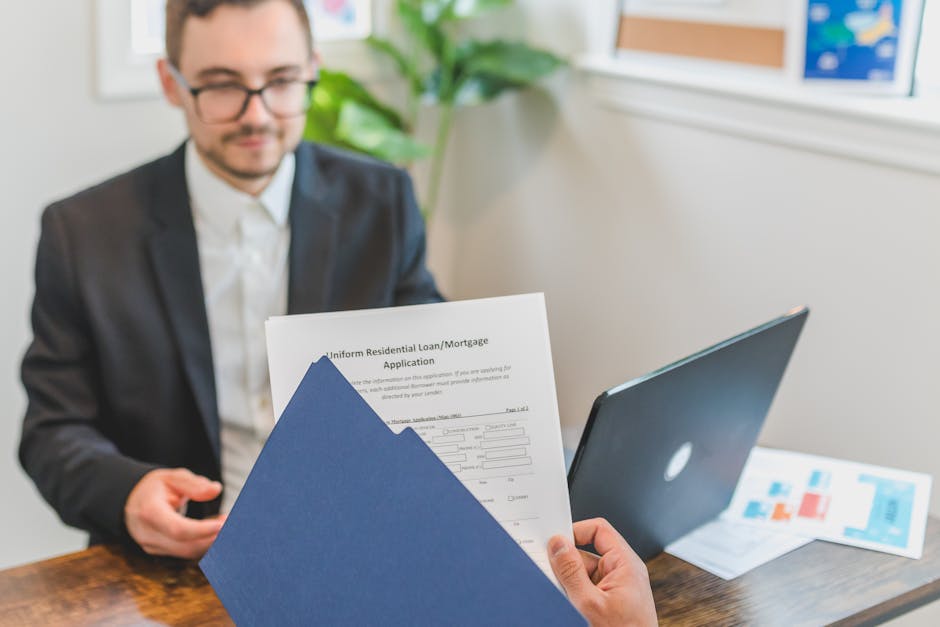
Gather your documents. Typically: a photo ID, business formation documents, recent tax returns, and financial statements (profit-and-loss, balance sheet).
Use SBA Lender Match — the official free tool. This is the government’s own matchmaker: you fill out a short form and it connects you with SBA-approved lenders who want your business. It’s free, and it’s the smart first step (button below).
Compare offers and apply. You may hear back from several lenders. Compare rates and terms, then formally apply with the one you like best.
Underwriting and funding. The lender reviews your application; approval can take a few weeks (microloans are often faster). Once approved and closed, the funds are disbursed.
Tips & a Scam Warning
- ✅ Start with a microloan or a community lender (CDFI) if your credit or history is thin — they’re built for newer businesses.
- ✅ Get free help. Your local SBDC (Small Business Development Center) and SCORE offer free, expert mentoring to prep your application.
- ✅ Know your rights. Read the scam warning below before you pay anyone.
⚠️ Watch for scams. The SBA never charges an upfront fee to “guarantee” your loan and never asks you to pay to apply. Anyone promising guaranteed approval for a fee is a red flag.
FAQ
Does the SBA give me the money directly?
Usually no — you borrow from a bank or lender, and the SBA guarantees part of it. (The main exception is disaster loans, which the SBA funds directly.)
Can I get an SBA loan with bad credit?
It’s harder, but not impossible. Microloans and community lenders (CDFIs) are the most